




What Makes SecurityNet Different?
- What is SecurityNet?
SecurityNet is a private peer-to-peer communication suite — no cloud, no servers, no tracking. It lets people share messages and files directly between their computers (Windows or Apple Mac) using military-grade encryption, with no one — not even us — able to see or intercept it. It’s built for people who care about privacy, free speech, and digital independence. - Private. Direct. Untraceable
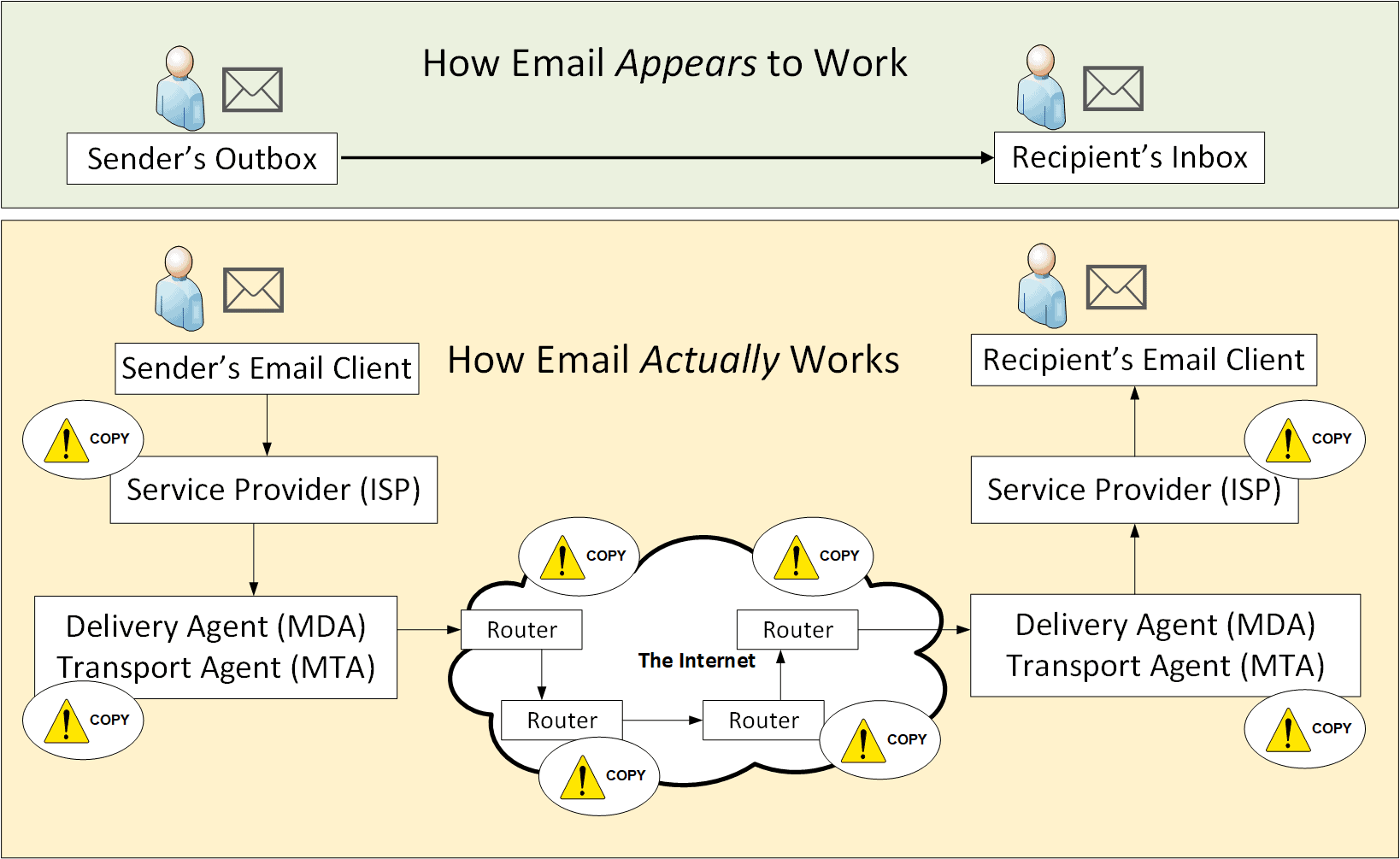
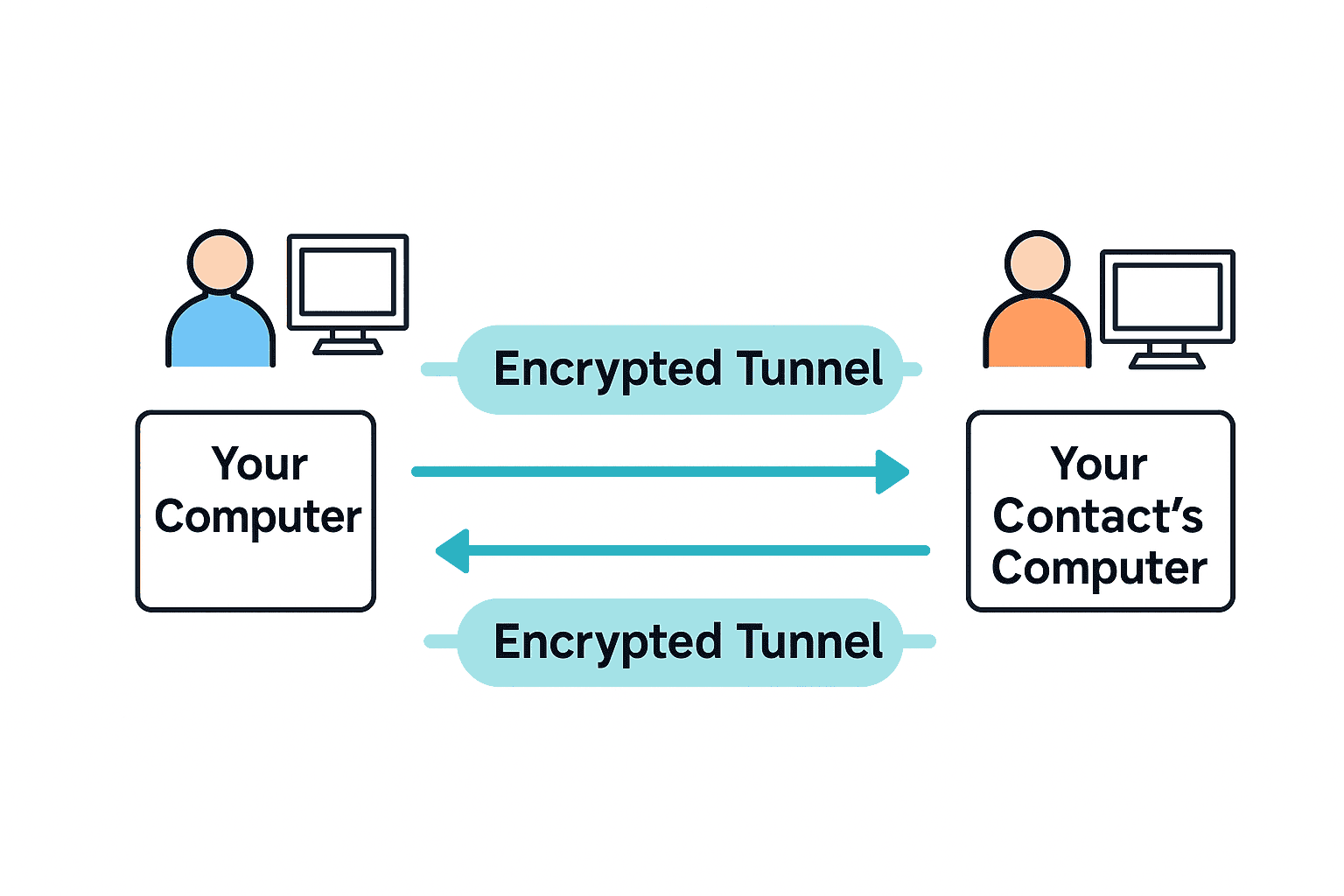
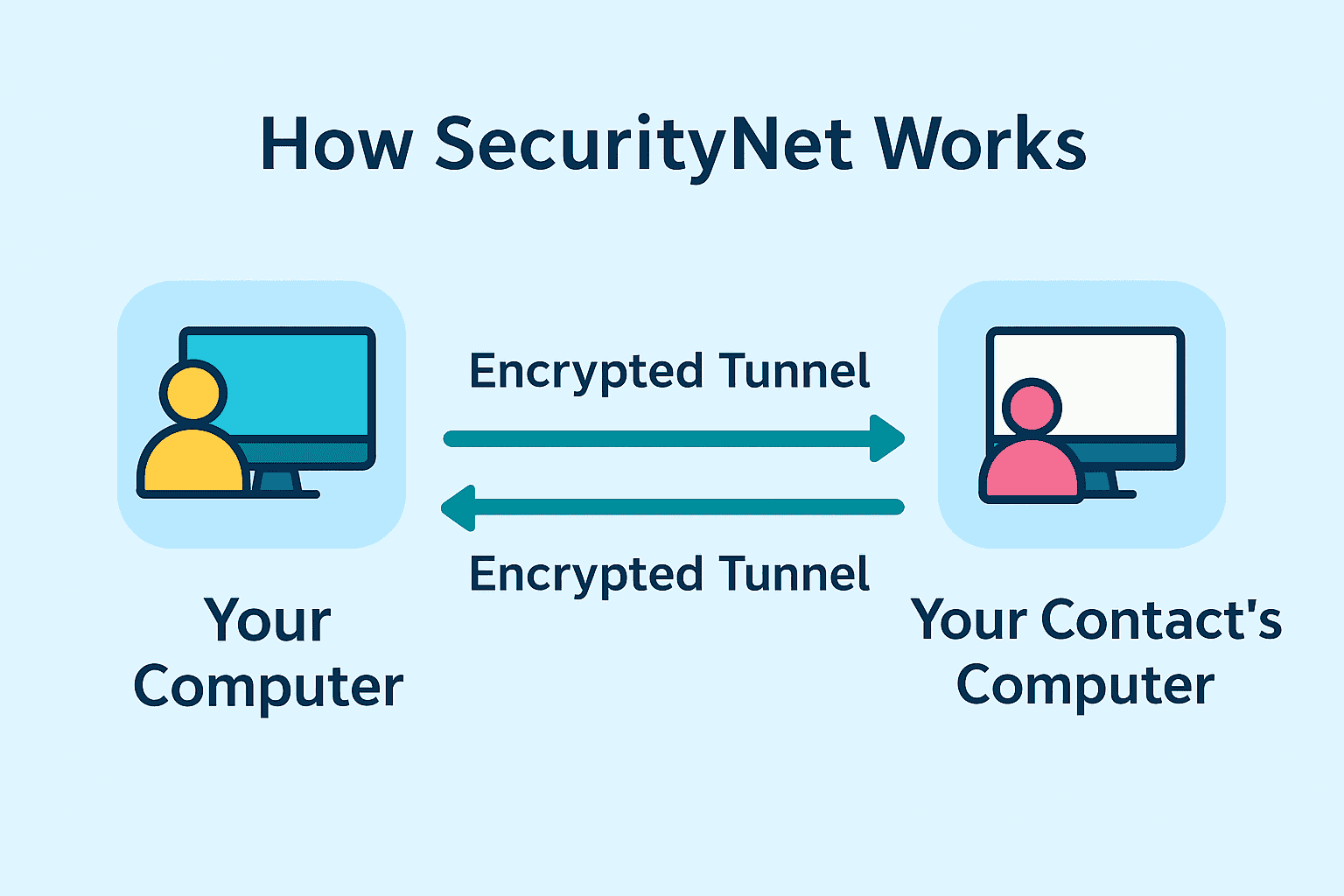
We built SecurityNet for people who believe privacy is a right — not a luxury. Unlike every cloud or chat app you know, SecurityNet doesn’t store or route your data through anyone’s servers — not even ours. When you send a file or message, it goes directly from your computer to your contact’s computer, fully encrypted end-to-end. No intermediaries, no metadata collected or stored by SecurityNet, no surveillance window. No contact points where your data can be intercepted. - Why not use other 'secure' platforms?
Every ‘secure’ platform today still relies on trust — trust in Google, Microsoft, WhatsApp, DropBox or FaceBook to protect your data. But the truth is, they can all be compelled to hand your data over. For journalists, campaigners, or anyone working in advocacy or political reform, that’s a major vulnerability. - Who can use SecurityNet?
Anybody and everybody! You don’t need to be a tech expert to use it — it runs on Windows and macOS, installs like any normal app, and takes about two minutes to get started. It just works — privately. - Is SecurityNet for groups as well as individuals?
Of course. We’ve seen interest from groups that simply need to communicate safely — campaign teams sharing internal strategy documents, lawyers sending sensitive files, journalists contacting whistleblowers, or small businesses exchanging private data without leaving a footprint. - Why is it different from all other apps out there?
SecurityNet is an invitation-only private communications platform. All users must exchange their SecurityNet IDs with those they want to connect with. This creates a totally permission-based network.